Are you a slave to your business?

Your business is there to serve you; not the other way around. In other words; you should never be a slave to your business.

Being a slave implies a victim mentality - that the world has simply dealt you a bad hand, that you have no say in the matter. Perhaps you hear yourself thinking you’re a slave to your business because your clients need you, or your team can’t cope without you, or maybe the economy is busting, or booming… basically, insert any excuse here as to why you can’t change. But it is exactly that, an excuse.

The OARBED behaviour model tells us we must act above the line; that we must stay out of BED, and take Ownership, Accountability and Responsibility for our actions – and choices. So, what’s stopping you from taking control of your business? What must you do to be a victor?

  • Do you need to start going home on time every night?

  • Do you need to stop accepting work from people who don’t respect your payment terms?

  • Do you need to block out calendar time to respect your health and wellbeing?

  • Do you need to implement 10 strategies to grow your cashflow?

  • Do you need to train and empower your team to do more?

  • Do you need more time to plan?

No more excuses - it’s your business, you make the rules, choose not to be a slave!

Need accountability coaching? We can help you be the master of your business.

"Success isn’t a result of spontaneous combustion. You must set yourself on fire." - Arnold Glasgow

Happy Customers, Happy Bottom Line

“Loyalty is when people are willing to turn down a better product or price to continue doing business with you”.

That’s a great quote from Simon Sinek. Write it on a post-it or somewhere visible to remind yourself through your journey.

If customers are unhappy, they’ll leave you for one of your competitors. If they’ve had a poor experience or been treated badly, some will go as far as making a scene on social media or leave a bad business review to warn others. The last thing any business needs after a blow to the wallet is a bruised ego.

Customer satisfaction is important to any business, but the earlier you are in the growth of your business, the more critical it is to ensure that your early customers are highly satisfied. When you sign up your first customer, that person represents 100 percent of your customer-base, so their opinion of your business, along with the next handful of customers matters greatly.

Think about your early customers and who these people are. If they’re still known to you, you should be proud that they had faith and were one of your earliest customers who backed you.

Here's a few ideas:

  • Everyone likes to be told they are valued. Start by saying thanks to your loyal customers and be genuine about it.

  • You could do something to recognise their loyalty – perhaps a gift, discount or a special offer just for them.

  • If they’re still using your product or services, you could ask them to be a referral customer and/or to be featured in a published customer case study.

Building a Better Business in 10 Steps

3kbG6Imclrseu4wWfCjreu-markus-spiske-VZnmCtD5KdI-unsplash.jpg

You’re in business, congratulations, that takes courage and commitment.

It’s not easy, and at times you might find yourself questioning why you’re even doing it, but you’re here because you had a vision. You decided being in business was a better way to achieve that vision than working for someone else. And, you’re right; you just have to work on it. Good things come to people who hustle.

You’re likely an expert in what you do… maybe you’re a mechanic and know the inside of a car engine like the back of your hand. Or, maybe you’re a fashion retailer who can style anyone. This doesn’t mean you’re an expert at running your business though. It’s hard taking time out of working in your business to work on it. But doing this is essential for its success.

There’s no magical overnight solution to building a more successful business. It’s about taking small steps every day to get a bit better than the day before.

So, what should you do to build yourself a more successful business? We’ve broken it down into 10 essential steps:

  1. Get clear on exactly what it is that you want.

  2. Be open to change and new learning.

  3. Define where you are now (warts and all).

  4. Make a plan.

  5. Get your organisational structure right.

  6. Be a better leader.

  7. Be held accountable by someone independent.

  8. Build strong networks.

  9. Monitor your progress.

  10. Keep your well of happiness full.

These are the 10 most important things you should be working on to ensure you achieve your goals. Small, incremental changes can have a massive effect on your success.

We’re here to help you, every step along the way. Get in touch!

“Success isn’t overnight. It’s when every day you get a little better than the day before. It all adds up.” - Dwayne ‘The Rock’ Johnson

What's your unique selling point?

01gyU08gqNftX7lIJlO9lf-abus-brand-close-up-277670.jpg

Making your business stand out in a crowded market can be a challenge, but differentiating your business will be key to attracting the right customers and giving them a reason to choose you over a competitor.

That’s why it’s important to identify your unique selling point (USP), so you have a differentiator to communicate in your marketing and sales activity.

Giving your company a real differentiator

Not all companies are created equal. Every business will have a unique slant on how it develops and delivers the same product or service. Your USP focuses on what you do better, bolder, faster or more effectively than your competitors – giving you an edge over the other businesses that are clamouring for your customer’s attention.

For example, Apple’s USP was always that the company ‘provides a lifestyle with our products’ by making cutting-edge technology that’s as simple to use and integrate as possible.

To make your USP work for you:

  • Define your USP using your products/services – think about your products and/or service offerings and consider where you’re adding value that’s specific and unique to your business. You might be more ecologically sustainable, more budget-friendly, or easier to use than your competition. Own this difference, feed it into your development and think about the end benefit for customers.Tip: ‘People don’t buy products, they buy solutions’ - Put yourself in your ideal customer’s shoes to understand their needs and how you meet them.

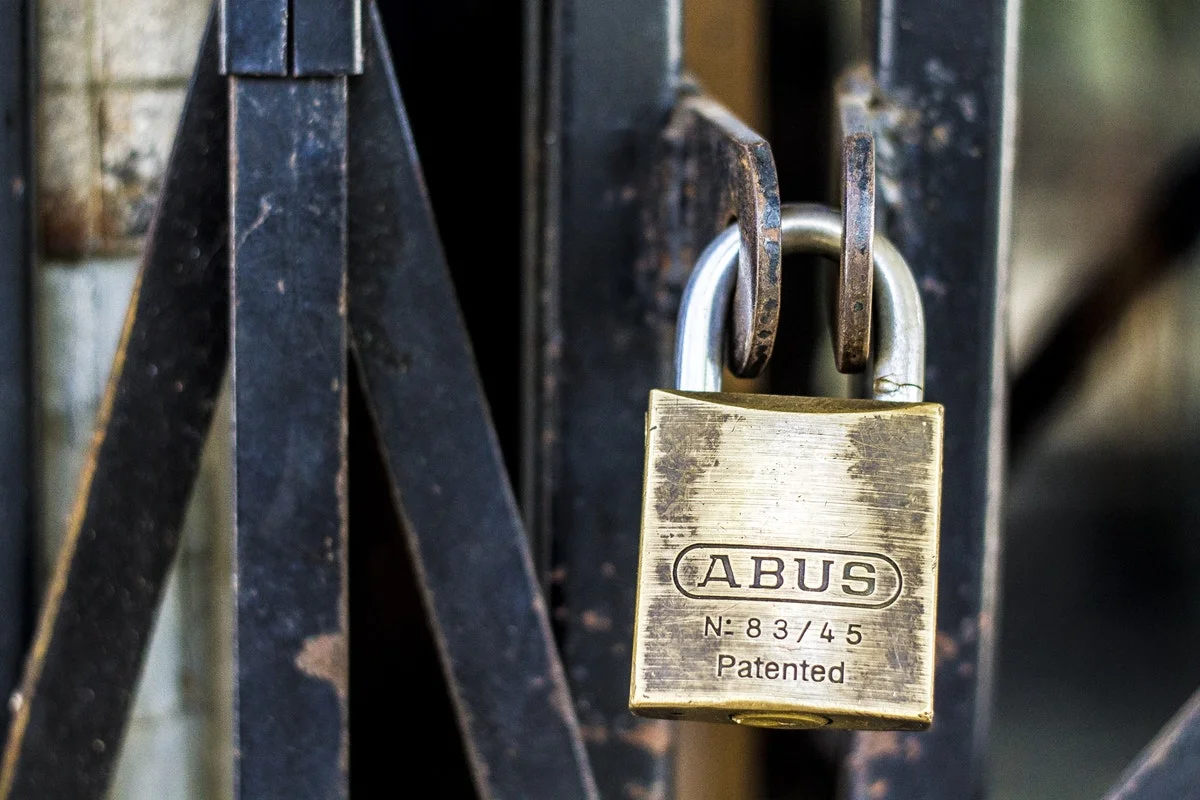
  • Market the company around this USP – understand where you add value as a business and condense it down to one selling point. While you may be able to list many benefits, boiling it down to one thing will be more compelling. Make sure it’s short, simple and straightforward to communicate, so you and your customers quickly understand this USP. For example, the USP of M&Ms is that ‘the milk chocolate melts in your mouth, not in your hand’. ABUS Locks have dominated security solutions with 'security built on quality' and this position has enabled them to broaden their product range beyond padlocks. A USP doesn't have to be a tagline but when it clearly caputures your point of difference it can become one, such as the Bunnings Warehouse tagline: 'Our policy - lowest prices are just the beginning'.

  • Ensure your competitors aren’t catching up – to be a true USP, your differentiator has to be unique. The business world doesn’t stand still, so if competitors now offer the same customer benefits as you, it’s important to review, reassess and adapt your USP. Keep innovating and developing your product/services, so you offer a genuine USP and keep the competitors from nipping at your heels.

If you’re unsure what makes you stand out in your market or industry sector, think about the key benefit you offer your clients. It could be the unique features of your product or service, or the way you do business. A strong USP will help you attract prospects by reinforcing your position as the best choice for them.

If you would like to learn more contact us today.